
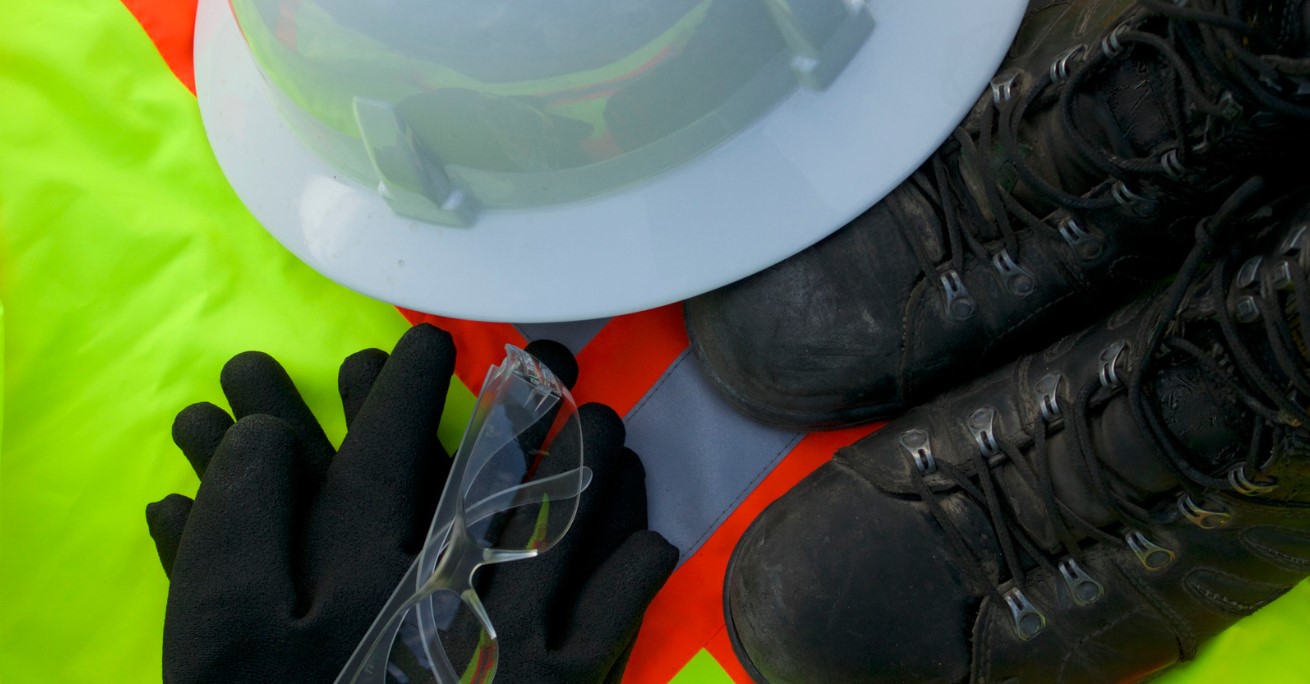
Why Personal Protective Equipment Is Essential for Arborists
Tree care professionals face many risks while working at height, using power tools, and handling heavy branches. Without the proper safety gear, even experienced climbers can suffer severe injuries from falling debris, chainsaw accidents, or unexpected shifts in tree structure. Appropriate personal protective equipment (PPE) is the first defense against these hazards.
At Endor’s Arborist & Rope Supply, we prioritize safety by offering high-quality protective gear for tree climbers, ground crews, and forestry workers. Understanding why PPE is essential and how it enhances protection ensures that arborists can confidently perform their jobs while reducing the risk of accidents.
The Role of PPE in Tree Work
Climbing trees and operating heavy machinery require a strategic approach to safety. Arborists work in unpredictable environments, often dealing with changing weather, unstable limbs, and falling debris. Without protective equipment, even minor missteps can lead to severe injuries.
The right gear shields against head trauma, eye damage, hearing loss, cuts, and abrasions. It also improves comfort, helps workers focus, and reduces fatigue over long hours in demanding conditions. Investing in high-quality PPE ensures both short-term safety and long-term career sustainability.
Protecting Your Head and Eyes
One of the most vulnerable areas in tree care is the head. Falling branches, slipping tools, and unpredictable environmental conditions make helmets a must-have for any professional climber. A durable helmet should fit securely, absorb impact, and include chin straps to prevent it from shifting during movement.
Exposure to dust, wood chips, and airborne debris can impair vision and cause long-term damage. Safety glasses or goggles prevent eye injuries by acting as a barrier against sawdust, wind, and sunlight. Models with anti-fog coatings and UV protection improve visibility in different conditions.
Hearing Protection for Long-Term Safety
Chainsaws, wood chippers, and other power tools generate high noise levels that can permanently damage hearing. Extended exposure to loud machinery increases the risk of hearing loss over time. Earplugs and earmuffs reduce noise exposure, allowing arborists to work in noisy environments without compromising their hearing health.
Hand Protection for Grip and Safety
Tree work requires handling ropes, chainsaws, and rough tree bark, which significantly strains the hands. Gloves serve multiple purposes, including providing a firm grip, preventing blisters, and protecting against cuts.
Different gloves serve different needs. Some offer cut resistance, shielding against sharp branches or accidental chainsaw contact. Others provide reinforced palms for better grip on climbing ropes. Breathable designs reduce sweating, ensuring comfort during long climbs.
Choosing the Right Climbing Harness
A climbing harness is essential protective equipment for arborists. It distributes weight evenly, reduces strain on the body, and offers multiple connection points for climbing lines and lanyards. A well-designed harness improves balance and allows climbers to work efficiently at height.
Adjustable leg loops, padded waist belts, and secure buckles enhance comfort and stability. Choosing a harness that meets industry safety standards ensures maximum protection during tree work.
Chainsaw Protection to Prevent Serious Injury
Using a chainsaw at height requires specialized protective gear. Even with proper handling, the risk of accidental contact remains high. Chainsaw-resistant pants or chaps contain special fibers that reduce the severity of cuts, slowing the chain’s movement upon impact.
This extra layer of protection can make the difference between a minor scrape and a serious medical emergency. Investing in high-quality chainsaw protection significantly reduces the risk of life-threatening injuries.
Footwear for Stability and Safety
Climbing trees, walking on uneven ground, and operating heavy machinery require durable work boots. Proper footwear provides stability and prevents slips and falls.
Boots designed for arborists typically feature steel toe protection, slip-resistant soles, and ankle support. Waterproof and breathable materials help keep feet dry in wet conditions, while cushioned insoles improve comfort for long shifts.
High-Visibility Clothing for Maximum Awareness
Tree work often occurs near roads, residential areas, or work sites with multiple crew members. Wearing high-visibility vests and clothing ensures that climbers remain visible, reducing the chance of accidents caused by poor visibility.
Reflective gear improves safety in low-light conditions, making it easier for ground crews, vehicle operators, and other workers to identify climbers in the canopy.
Maintaining PPE for Long-Lasting Protection
Protective gear must be well-maintained to remain effective. Helmets, harnesses, gloves, and other equipment wear down over time, especially in harsh conditions. Regular inspections help identify signs of damage, such as frayed straps, worn-out padding, or cracks in helmets.
Proper cleaning and storage of gear extend its lifespan. Dirt and debris can weaken materials, reducing the effectiveness of protective equipment. Storing PPE in dry, temperature-controlled environments helps prevent premature wear and ensures it performs as expected when needed.
Where to Find High-Quality Arborist PPE
The right protective equipment significantly improves an arborist’s ability to work safely and effectively. At Endor’s Arborist & Rope Supply, we provide helmets, gloves, harnesses, eye protection, chainsaw-resistant clothing, and work boots for tree professionals.
Invest in your safety today. Visit Endor’s Arborist & Rope Supply to explore our selection of industry-leading PPE.


Leave A Comment